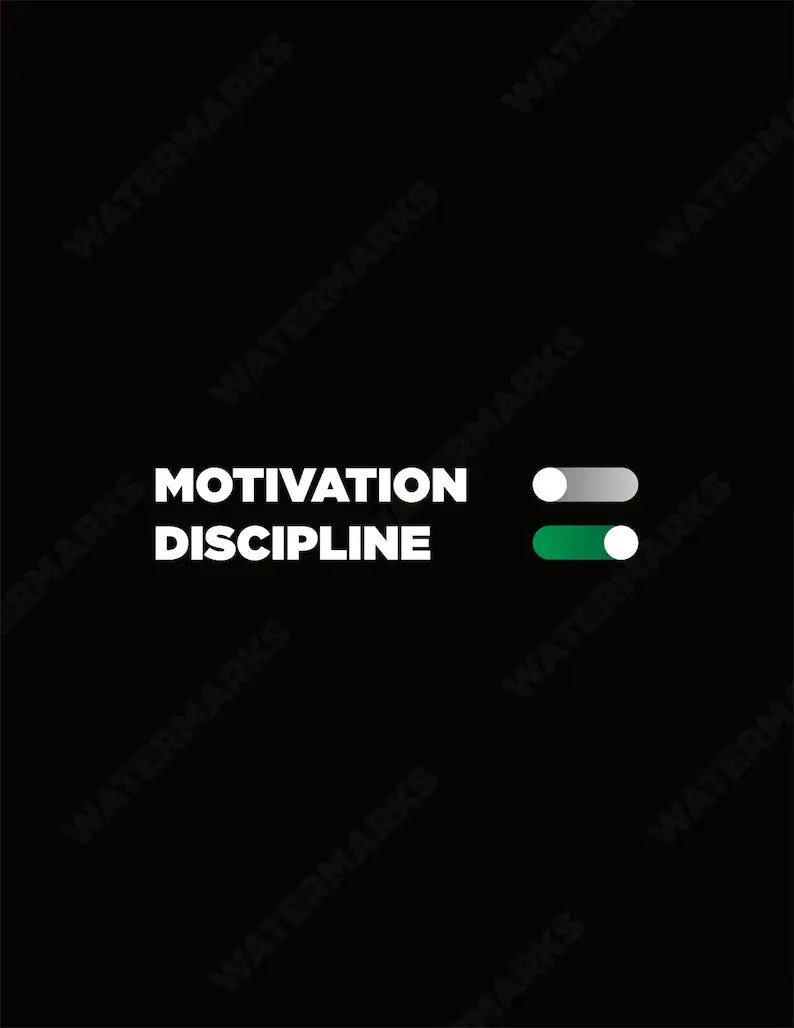
It happens to the best of us. You start a new project, commit to a fitness goal, or decide to finally learn that skill with a fiery passion. The motivation is electric, the vision clear. But then, days or weeks later, the spark flickers. The initial enthusiasm wanes, replaced by inertia or the siren song of easier choices. This is the universal struggle, the dance between the initial burst of energy and the consistent grind. Mastering Motivation and Discipline Strategies isn't about eradicating this struggle, but understanding its rhythm and arming yourself with the tools to keep moving forward, regardless of how you feel on any given day.
This guide isn't about quick fixes; it's about building an unshakeable foundation for enduring success, turning aspiration into accomplished reality.
At a Glance: Your Roadmap to Enduring Success
- Motivation is your why, discipline is your how. Motivation sparks; discipline sustains.
- Don't rely solely on motivation. It's transient. Discipline is your consistent ally.
- Connect goals to core values to cultivate deeper, intrinsic motivation.
- Break down big visions into small, actionable, manageable steps.
- Routines are your secret weapon. They automate good habits and reduce decision fatigue.
- Embrace setbacks as data. Learn, adjust, and keep moving forward with a growth mindset.
- Leverage digital tools smartly to block distractions and reinforce focus.
- Balance is key: Celebrate wins, rest strategically, and avoid burnout.
The Spark vs. The Steady Flame: Understanding Motivation and Discipline
To truly master your journey, we first need to clearly distinguish between two forces often conflated: motivation and discipline. While they both drive action, they operate very differently and understanding their unique roles is foundational.
Motivation: The Inspiring "Why" That Ignites Action
Think of motivation as the initial spark, the thrilling vision, the compelling "why" that first propels you forward. It's the emotional fuel that makes you want to start. This drive can come from internal sources (a desire for personal growth, a deep passion) or external ones (a bonus, recognition, social pressure). It's why you sign up for that marathon, launch that business, or decide to learn a new language.
However, motivation is inherently transient. It fluctuates like the weather, influenced by everything from your mood, energy levels, and external challenges to shifts in personal priorities and even social media comparisons. Relying solely on motivation is like trying to cross an ocean in a sailboat with no rudder – you’re at the mercy of the winds, however strong they may be.
Discipline: The Unwavering "How" That Sustains Effort
Discipline, in contrast, is the consistent, unwavering force that sustains effort when motivation inevitably wanes. It's the conscious ability to control your behaviors, impulses, and actions purposefully. Discipline cultivates self-control and adherence to principles, enabling you to pursue long-term goals even amidst short-term temptations or discomfort.
Where motivation gets you out of bed with excitement, discipline gets you out of bed on the days you'd rather hit snooze, knowing the task needs doing. It's not about feeling like doing something; it's about doing it because it aligns with your larger purpose and commitments.
Why the Distinction Matters for Your Success
Understanding this difference is crucial because it shifts your focus from hoping for inspiration to building reliable systems. Motivation is a wonderful catalyst, but discipline is the engine that keeps running long after the initial excitement fades. True, enduring success isn't built on a series of enthusiastic starts, but on consistent effort and strategic perseverance.
Riding the Motivation Wave: Strategies for When the Spark Ignites (and Fades)
While discipline is the bedrock, we shouldn't dismiss motivation entirely. It's a powerful ally when present, and there are ways to both harness its energy and gently rekindle it when it flickers.
Set Flexible, Adaptive Goals
Life happens. Unexpected challenges, new opportunities, or shifts in priorities can derail rigid plans. Instead of viewing your goals as immutable decrees, see them as living documents. Revisit and revise them periodically. If a deadline becomes unrealistic, adapt it. If a method isn't working, change it. Flexibility isn't a weakness; it's a strategy for resilience. This adaptability ensures your goals remain relevant and attainable, preventing frustration from rigid expectations.
Connect Goals to Personal Values and Purpose
The most powerful motivation is intrinsic. When your goals resonate deeply with your core values – what truly matters to you – the drive becomes more profound and less susceptible to external ups and downs. Ask yourself: Why is this goal important to me? How does it align with my identity or the kind of person I want to be? Constantly reminding yourself of your "why" creates a wellspring of inner resolve. Perhaps you're building a business not just for profit, but to create a positive impact, or training for a race not just for fitness, but to embody resilience.
Break Down Large Goals into Manageable Milestones
A daunting goal can quickly extinguish motivation. The sheer scale can feel overwhelming. The solution? Deconstruct it. Break your grand vision into smaller, short-term, manageable milestones. Each completed milestone provides a sense of accomplishment, a mini-win that recharges your motivation and provides tangible proof of progress. Think of it like climbing a mountain: you focus on the next camp, not just the summit.
Engage in Continuous Learning and Self-Reflection
Learning new aspects of your goal or related fields can infuse fresh enthusiasm. Curiosity is a powerful motivator. Similarly, regular self-reflection through practices like mindfulness or journaling helps you stay connected to your inner state, identify what's working (and what's not), and recognize subtle shifts in your priorities or energy levels. This awareness allows you to make proactive adjustments before motivation completely disappears.
Seek Positive Reinforcement and Community
Humans are social creatures. Sharing your goals with a supportive community, mentors, or peers can provide invaluable encouragement. Positive reinforcement, whether it's a word of praise, a shared success, or even healthy competition, can re-ignite your drive. While tangible rewards like bonuses or recognition can be momentarily effective, remember their impact is often fleeting compared to the sustained boost from genuine connection and shared purpose.
Building Your Inner Fortress: Why Discipline is Your Most Reliable Ally
While motivation lights the path, discipline builds the road. It’s the consistent, unwavering effort that truly moves you forward, especially when the path gets dark or the weather turns. Discipline is not about brute force; it's about cultivating powerful, reliable habits.
Consistency is King
The hallmark of discipline is consistency. It’s the regular and unwavering application of effort, day in and day out, regardless of how you feel. This isn’t contingent on external motivation or bursts of inspiration. It’s showing up, every time, building momentum through sheer repetition. Imagine an athlete training daily, not just when they feel "motivated." That steady effort compounds into extraordinary results.
Habitual Behavior: The Automation Advantage
One of the most powerful aspects of discipline is its ability to form automatic habits. When an action becomes habitual, it reduces reliance on conscious decision-making and willpower, both of which are finite resources. Brushing your teeth, for example, requires no motivation or conscious decision; it's an ingrained habit. The more disciplined actions you can turn into habits, the less energy you expend deciding to do them, freeing up mental bandwidth for more complex tasks.
Internalized Drive: Fueling from Within
Discipline draws its drive from within. It’s less susceptible to the external fluctuations that can derail motivation. This internalized drive comes from a deep commitment to your values and long-term vision. You don't need someone to cheer you on; your conviction is your fuel. This makes your progress more robust and less vulnerable to external opinions or setbacks.
Self-Empowerment and Long-Term Vision
Through consistent, disciplined efforts, individuals directly shape their destiny. This fosters a profound sense of self-empowerment. Discipline inherently prioritizes delayed gratification, understanding that consistent small actions today lead to significant success in the future. It’s about building a future self, one deliberate step at a time, rather than chasing immediate pleasures.
Steadfastness in Adversity
Life will inevitably throw curveballs. Challenges, failures, and disappointments are part of any significant journey. Discipline provides the steadfastness to maintain your course despite these adversities. When things get tough, it's not the motivated who endure, but the disciplined. They possess the internal monitoring and resilience to regulate their actions and stay committed without needing external supervision or cheerleading.
The Power of Predictability: How Routine Fuels Discipline
If discipline is the engine, routine is the finely tuned system that ensures it runs smoothly and efficiently. Establishing routines creates a structured framework that naturally fosters self-control and focus, significantly reducing the mental load associated with making decisions.
Minimizing Decision Fatigue
Every decision, no matter how small, depletes your mental energy. What to wear, what to eat, when to exercise – these micro-decisions add up. Routines remove many of these choices. When an activity is built into your daily schedule, you don't have to decide if you're going to do it; you just do it. This minimizes decision fatigue, freeing up your willpower for more critical challenges.
Prioritizing and Aligning Actions
Routines involve structuring and allocating specific time slots for activities. This helps you prioritize tasks that align with your overarching goals. By pre-determining when and how you'll tackle important activities, you ensure that high-priority items consistently get attention, rather than being sidelined by urgent-but-less-important distractions. Your daily actions become a direct reflection of your long-term vision.
Ingraining Desired Behaviors
Consistent practices through repetition are how desired behaviors become ingrained. When you perform an action at the same time, in the same way, repeatedly, your brain creates neural pathways that make it more automatic. This is how habits are formed. The less conscious effort required, the more sustainable the behavior becomes.
Crafting Your Ideal Routine
To build an effective routine, identify your peak energy times and align your most demanding tasks with those periods. Start small, adding one or two new habits at a time. Be patient; it takes time for a new routine to feel natural. Consider your morning routine as a critical foundation – we'll delve into that further.
The Dynamic Duo: Blending Motivation and Discipline for Enduring Success
True mastery comes not from choosing between motivation and discipline, but from skillfully blending them. Think of motivation as the wind in your sails, and discipline as the rudder and the ship's sturdy hull. Both are essential for a long, successful voyage.
1. Setting Crystal Clear Goals
Motivation needs a target. Discipline needs a map. Clear, specific, and measurable goals provide both. When your goals are well-defined, they provide a specific target for your motivation and make it easier to chart a disciplined course of action. What exactly do you want to achieve? By when? And how will you know you've succeeded?
2. Strategic Goal Breakdown
Once goals are clear, discipline steps in. Break down those big goals into smaller, manageable tasks. Create a structured plan with daily, weekly, and monthly milestones. This process, often called "reverse engineering" your goal, ensures that you know exactly what needs to be done each day to move forward. This detailed plan is where discipline truly shines, turning aspiration into a concrete action sequence.
3. Unearthing Intrinsic Motivators
While discipline drives action, connecting those actions to your deepest "why" can make them feel less like a chore. Find the intrinsic motivators behind your disciplined actions. If you're consistently waking up early to work on a side project, remind yourself that you're doing it to gain financial independence, express creativity, or learn more about Coach Boone's principles for personal growth. This deeper connection transforms mere compliance into purpose-driven action.
4. Visualizing Your Victory
Motivation thrives on imagery. Create vision boards, mentally picture your achievements, and vividly imagine what success will look, sound, and feel like. This consistent mental rehearsal reinforces your motivation and imprints the desired future onto your mind, making disciplined effort feel more meaningful. Regularly revisiting this vision can reignite your commitment.
5. Celebrating Milestones Smartly
Momentum is a powerful force. Celebrate your small wins and achieved milestones along the way. These celebrations re-ignite motivation, prevent burnout, and provide positive reinforcement for your disciplined efforts. The key is to make celebrations meaningful but proportionate, ensuring they don't become distractions from the larger goal. Acknowledge progress, then get back to work.
6. Establish Non-Negotiable Morning Routines
Leverage your natural early-hour motivation. Most people experience a surge of energy and focus in the morning. Establish a morning routine that includes vital, goal-aligned activities. Make these routines non-negotiable. Whether it's exercise, deep work, or planning your day, getting a head start with disciplined action sets a positive tone for the entire day, building confidence and consistency.
7. Leverage Accountability
Share your goals with others – a mentor, a coach, a trusted friend, or an online community. External accountability can provide a powerful push when your internal motivation wavers. Knowing someone is expecting an update or progress report can be a strong motivator to stick to your disciplined plan, transforming intentions into actions.
8. The Art of Regular Reflection
Set aside time for regular reflection. This could be daily journaling, a weekly review, or a quarterly assessment. Use this time to assess your progress, identify challenges, rekindle your motivation by reconnecting with your "why," and refine your disciplined approaches. Reflection is where you learn from your journey, ensuring continuous improvement and adaptability.
Navigating the Treacherous Tides: Overcoming Common Challenges
Even with the best strategies, you'll encounter obstacles. How you respond to these challenges defines your long-term success.
When Motivation Takes a Holiday
- Revisit Your "Why": When the spark fades, go back to basics. Why did you start this journey in the first place? Write down your deepest reasons and keep them visible.
- Seek Inspiration: Surround yourself with sources of inspiration. Read books, listen to podcasts, watch documentaries about people who have achieved similar goals, or seek out mentors who embody the traits you admire. Their stories can rekindle your drive.
- Change Your Environment: Sometimes a fresh perspective is all it takes. Work from a different location, rearrange your workspace, or simply take a walk outside.
- Act Anyway: This is where discipline truly takes over. Even if you don't feel like it, commit to taking one small, meaningful step. Often, action generates its own motivation.
Bouncing Back from Setbacks
- Accept Failure as Data: View setbacks not as failures, but as learning opportunities. Every obstacle provides valuable information. What went wrong? Why?
- Analyze and Adjust: Don't dwell on the mistake; analyze it. What can you do differently next time? Adjust your approach, refine your strategies, and iterate.
- Adapt, Don't Abandon: When a routine is disrupted, don't throw the whole thing out. Adapt it. If you miss a workout, don't miss two. Get back on track as soon as possible, even if it's a smaller version of your original plan. A flexible routine is a resilient routine.
- Practice Self-Compassion: Be kind to yourself. Everyone makes mistakes. Berating yourself only drains energy that could be used for recovery and progress.
Preventing Burnout and Sustaining Momentum
- Incorporate Strategic Breaks and Rewards: Discipline isn't about constant grind. Incorporate planned breaks, recovery periods, and strategic rewards to prevent mental and physical exhaustion. These are not signs of weakness but essential components of sustained performance.
- Maintain a Growth Mindset: View difficulties as opportunities to learn and grow, not as insurmountable barriers. Focus on progress over perfection. Understand that skills can be developed and challenges can be overcome through effort and persistence.
- Prioritize Sleep and Wellness: Your ability to stay motivated and disciplined is heavily dependent on your physical and mental well-being. Prioritize adequate sleep, healthy nutrition, and regular physical activity. These are not luxuries; they are foundational to your capacity for discipline.
Your Digital Toolkit: Merging Tech with Tenacity
In a world full of digital distractions, technology can either be your biggest hurdle or your most powerful ally. Here's how to harness digital tools to merge motivation and discipline effectively.
Block Digital Distractions with Surgical Precision
- Custom Blocklists: Utilize tools like Freedom, Cold Turkey, or your device's built-in "Focus" modes to create custom blocklists. Identify your most tempting apps and websites (social media, news, entertainment) and block them during crucial focus times. This creates a digital fence around your work or study sessions.
- Scheduled Blocking: Schedule these blocklists to activate automatically during your designated deep work periods. This removes the decision-making process, ensuring you're less likely to succumb to impulse.
Combat Impulse Procrastination
- "Locked Mode" Features: Many blocking apps offer "locked mode" features that prevent you from disabling a blocklist during an active session. This is a game-changer for those moments when your willpower is low, and the urge to "just check Twitter for a second" strikes. It physically prevents you from giving in.
Smart Productivity Hacks
- Turn Off Notifications: The simplest yet most effective hack. Turn off all non-essential notifications on your phone, computer, and tablet. Notifications are designed to hijack your attention, pulling you away from focused work.
- Set Timers for App Use: If you need to use certain apps for work but they're also a distraction (e.g., email), set a timer for how long you'll use them, then close them. This brings intentionality to your digital interactions.
Structure Your Deep Work
- Time Block for Deep Work: Dedicate specific blocks of time in your schedule for "deep work" – tasks that require intense focus without interruption. During these periods, activate your distraction blockers.
- Pomodoro Technique: Integrate techniques like Pomodoro (e.g., 25-minute sprints with 5-minute breaks). During the 25-minute sprints, all distractions are blocked, and your focus is absolute. The short breaks allow for mental recovery.
Reward Progress, Not Just Results
- Track Accomplishments: Use digital trackers (habit apps, project management tools) to log your distraction-free hours, completed deep work sessions, or other consistent efforts.
- Set Mini-Rewards for Consistency: After a particularly productive, distraction-free session or a week of sticking to your routine, allow yourself a small, pre-planned digital reward – maybe 15 minutes of guilt-free browsing or a chapter of an e-book. Tie rewards directly to the process (consistency, effort) rather than just the final outcome, reinforcing the disciplined behavior.
Dynamic Blocklists for Changing Workflows
- Tailored Blocking: Your distraction needs change throughout the day or week. Tailor what gets blocked based on your current task or goal. For instance, block all social media and news sites during your writing hours, but perhaps allow certain work-related communication apps. After hours, block work-related apps to ensure you truly switch off and avoid burnout. This flexibility makes your digital discipline more sustainable.
Your Path Forward: Actionable Steps to Master Your Drive
The journey to mastering motivation and discipline is continuous, not a destination. It requires self-awareness, consistent effort, and a willingness to adapt. Don't wait for inspiration to strike; instead, build the systems that make sustained action inevitable.
Start small. Choose one strategy from this guide – perhaps establishing a non-negotiable morning routine, or setting up a digital blocklist for your most distracting apps. Implement it consistently for a week. Observe the impact. Then, add another strategy.
Remember, every great achievement is the culmination of countless small, disciplined steps, often taken on days when motivation was nowhere to be found. By understanding the interplay of motivation and discipline, and by building robust systems around your goals, you are not just hoping for success – you are systematically creating it. The power to transform your aspirations into reality lies within your consistent, disciplined action, fueled by a clear and compelling purpose. Go forth and build that future.